Water Damage Restoration Hayward, CA
24/7 water damage restoration in Hayward, CA. The restoration team extracts standing water, dries the structure to the IICRC S500 standard and documents every step for your insurance claim.
(888) 774-9605Water still spreading? Reach Hayward dispatchHave the cross street ready, and say which rooms are wet.
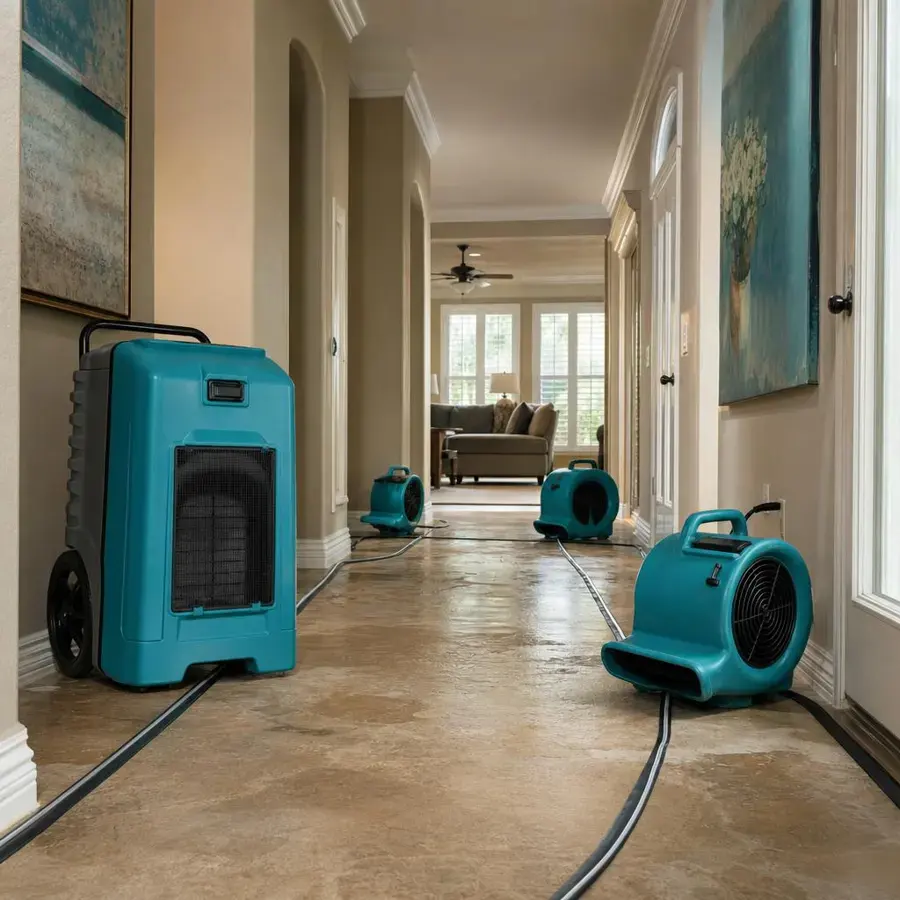
- 24/7 dispatch
- IICRC S500 drying standard
- Truck-mounted extraction
- Daily moisture readings
What to do while the water is still moving
- 1
Shut off the main water valve, often at the front of the house or in the garage.
- 2
Switch off power to wet rooms at the breaker, but only if the panel area is dry.
- 3
Stay out of standing water near outlets, cords and appliances.
- 4
Photograph the water and the damage before anything is moved.
- 5
Lift rugs and valuables off the floor, then call. Mold can start inside 24 to 48 hours.
Water Damage Restoration Services in Hayward, CA
Water and sewage only, from emergency extraction to structural drying.
 Water Extraction & RemovalTruck-mounted extraction pulls standing water before it wicks into walls and subfloor.
 Burst Pipe CleanupSplit galvanized or copper lines in walls and ceilings, extracted and dried in the cavity.
 Slab Leak Water DamageSupply lines under postwar slabs on shifting East Bay clay, traced, opened and dried.
 Crawl Space Flooding CleanupWinter storm water under raised-foundation homes, pumped out and dried from below.
 Storm Flood CleanupAtmospheric river runoff and creek overflow that pushes mud and water indoors.
 Roof Leak Water DamageWind-driven winter rain through flashing and old roofs into the attic and ceilings.
 Ceiling Leak Water DamageUpstairs bath and plumbing leaks that sag drywall and reach light fixtures.
 Water Heater Failure & FloodingGarage and closet tanks that split at the end of their life and flood the floor.
 Appliance Supply Line Leak CleanupWasher, dishwasher, fridge and ice-maker lines that let go under pressure.
 Toilet Overflow CleanupBathroom overflows sorted by source, then cleaned, extracted and dried.
 Sewage Backup CleanupRoot-bound clay laterals and main backups, contained and treated as Category 3.
 Structural Drying & DehumidificationFraming, subfloor and wall cavities dried to a verified reading in fog-damp air.
 Commercial Water DamageOffices, retail and I-880 corridor warehouses dried with the business kept moving.
Water damage dried to the IICRC S500 standard
IICRC S500 is the industry drying standard, and it means structural drying, not just surface drying. In Hayward, bay fog and a damp marine layer slow evaporation for much of the year, so the drying team leans on LGR dehumidifiers instead of open windows.
- 01
Map the moisture first
The tech who does the walkthrough traces the source, then maps wet materials with thermal imaging and pinless meters before any equipment goes down.
- 02
Extract the standing water
The extraction crew pulls water with truck-mounted extraction, so it leaves the building instead of wicking into the next room.
- 03
Set the drying to the room
The drying team places air movers to each room's evaporation load and runs LGR dehumidifiers, with desiccants for Class 4 materials.
- 04
Verify dry, then document
Most crews log readings daily and pull equipment once wet materials sit within 2 to 4 points of a dry reference material.
All water damage categories covered in Hayward, CA
Category 1, 2 and 3 water are handled differently, and the category is set on the first visit.
Category 1, clean water
Supply lines, slab leaks and water heaters. Caught early, most materials dry in place.
Category 2, gray water
Washers, dishwashers and toilet overflows with no waste. Soaked pad and trim usually come out.
Category 3, black water
Sewage and storm floodwater. Porous materials are removed, not dried, before antimicrobial and drying.
See sewage backup cleanupWhat does water damage restoration cost in Hayward, CA?
In Hayward, CA, water damage restoration typically runs $900 to $9,000 or more. The range depends on the water category, how many square feet are wet, the material class and how fast drying started.
- Clean water caught early
- Extraction plus air movers
- Three to four days of drying
- Pad, baseboard or drywall cuts
- LGR dehumidifiers and daily logs
- Subfloor or crawl space drying
- Sewage or storm floodwater
- Porous material removal and antimicrobial
- Full structural drying
For a closer planning number, try the water damage cost calculator. These are typical ranges, not quotes.
Documentation for your insurance claim
A water claim is decided on the file, not on the phone call. A sudden and accidental discharge, such as a burst supply line, is usually reviewed differently from rising storm water, which falls under flood coverage.
Coverage depends on your policy, so it is worth checking with your own insurer.
- A moisture map from day one
- Daily psychrometric and moisture logs
- Timestamped photos before any demolition
- The category and class of the loss
- A line-item scope in the format adjusters expect
What a water damage dry-out looks like in Hayward
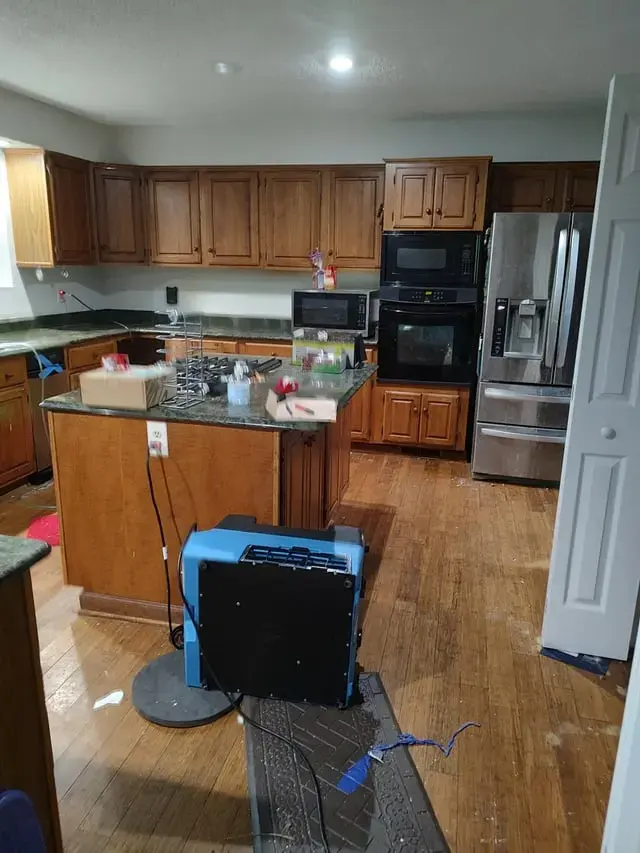
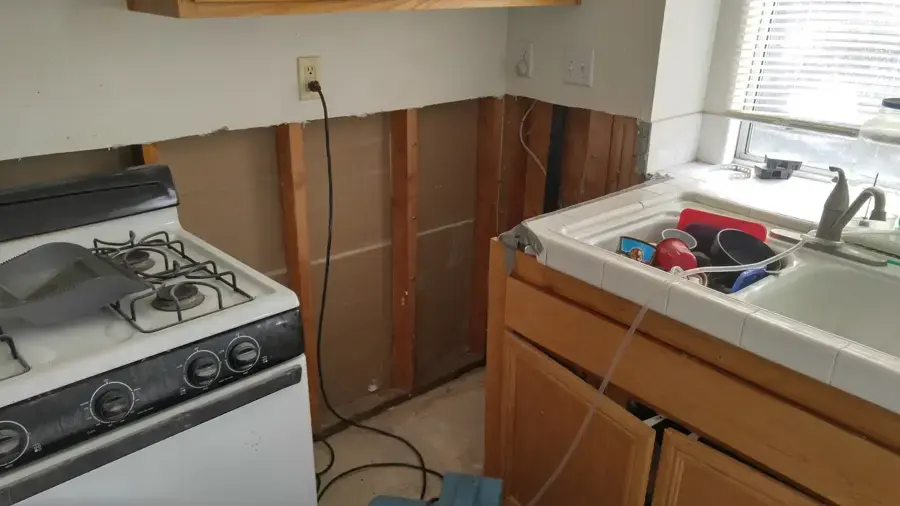
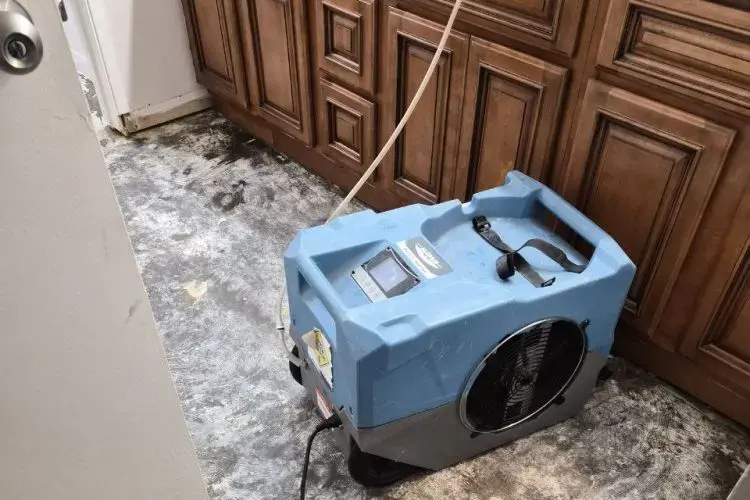
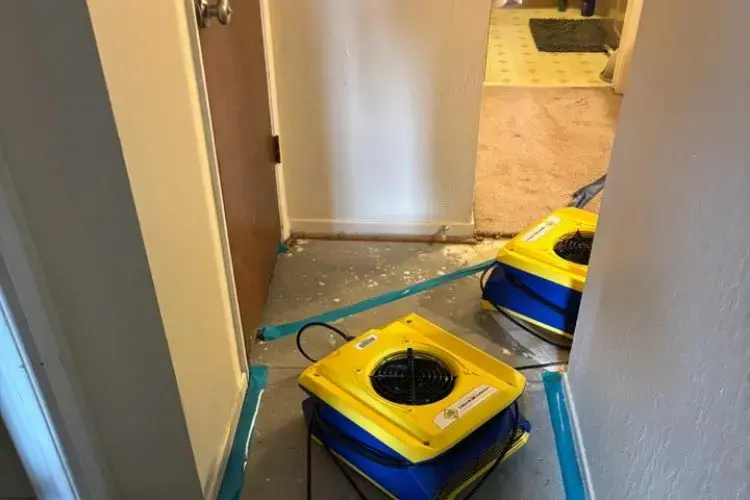
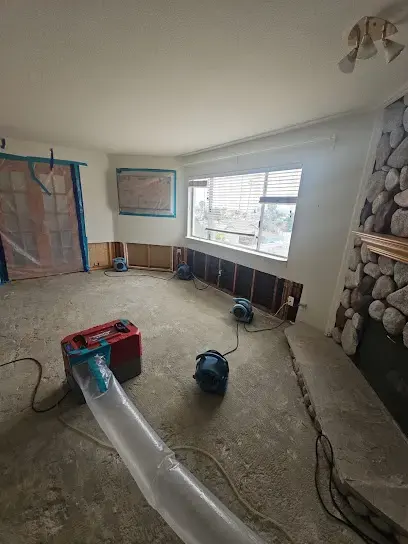
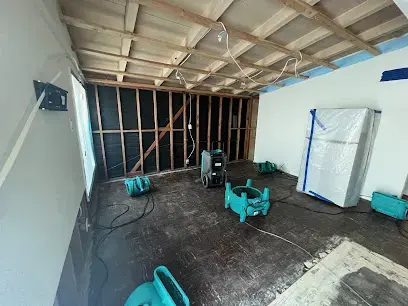
One call reaches Hayward water damage pros, 24/7
The restoration team answers day and night, weekends and holidays included. Say what got wet and where the water came from, and the team plans the extraction and drying equipment around it.
Hayward water damage coverage, from the hills to the bay
The restoration team covers every Hayward ZIP and the neighboring East Bay communities, day or night.
Every Hayward ZIP covered
Near the edge of town? Call anyway, and give the cross street and which rooms are wet.
Downtown and the older core
The Hayward hills
Central and south flatlands
West Hayward and the shoreline
Neighboring East Bay communities
Water damage in Hayward, CA: the local risk profile
Hayward's water losses follow its housing, its soil and its winters. These are the ones the local restoration pros plan for.
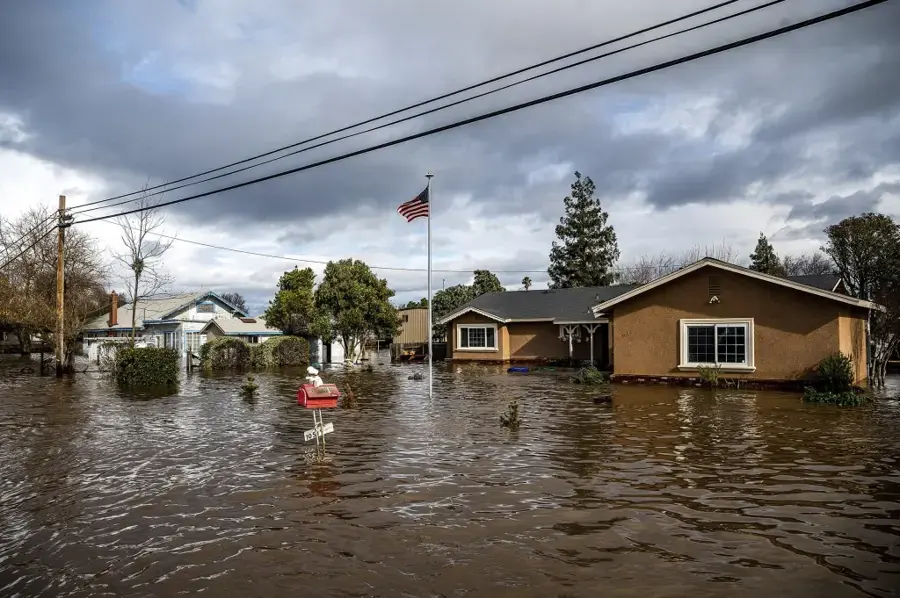
- Atmospheric river storms from December to February send hillside runoff toward crawl spaces and swell San Lorenzo Creek and Ward Creek.
- Postwar slab homes sit on East Bay clay that shrinks and swells, which strains supply lines under the slab.
- The 1920s to 1940s homes of Burbank, Upper B Street and Prospect Hill still carry galvanized supply lines and cast-iron drains.
- The Hayward Fault runs through the city, and its slow creep bends curbs and can stress buried water and sewer lines.
- Bay fog and a damp marine layer near the shoreline slow evaporation, so drying runs on dehumidifiers, not open windows.
Hayward water damage questions, answered
How fast can someone respond in Hayward?
Hayward water damage pros answer 24/7, and the response team usually dispatches a crew as soon as the details are clear. Water keeps moving into drywall and subfloor until it is extracted.
Is water damage covered by insurance?
A sudden and accidental loss, such as a burst supply line, is usually reviewed differently from storm water rising from outside. Coverage depends on your policy, so it is worth checking with your own insurer.
What causes most water damage in Hayward homes?
Winter storm water in crawl spaces, slab leaks in postwar homes on East Bay clay, burst galvanized lines in older homes, water heater failures in the garage and sewer lateral backups from root-bound clay pipe.
How long does drying take?
A contained Class 1 or 2 loss usually dries in three to five days. Hardwood, plaster, slab under flooring and crawl space framing take longer, especially in fog season. Equipment comes out when the readings say dry, not on a set day.
What is the IICRC S500 standard?
IICRC S500 is the industry drying standard for water damage. It sets the order of the work: inspect, map moisture, extract, dry, and verify dry with readings against a dry reference material.
Why does crawl space water matter so much in Hayward?
Many older Hayward homes sit on raised foundations. Water under the house soaks joists and subfloor and raises humidity in every room, so the drying team extracts it and dries the framing.
How is the cost worked out?
By the water category, the square feet that are wet, the material class and the days of drying the structure needs.
When does drywall have to come out?
When it was touched by Category 3 water, when it is crumbling or sagging, or when it stayed wet long enough to grow mold. Clean-water drywall caught early can often be dried in place.
Why is sewage handled differently?
Sewage backup is Category 3 the moment it happens. It needs containment, protective gear, removal of porous materials and an EPA-registered antimicrobial before any drying starts.
Water in your Hayward home? Get the drying started today.
The longer water sits, the further it climbs into drywall and under flooring. Speak with 24/7 dispatch and get the extraction moving.